

This site is no longer active!
If you are the owner, you must reactive this site for it to be published again
or contact us at support@rebolthq.com

If you are the owner, you must reactive this site for it to be published again
Explore the timelines for rough plumbing across various projects. Includes tips for efficient planning, avoiding delays, and ensuring inspection readiness.
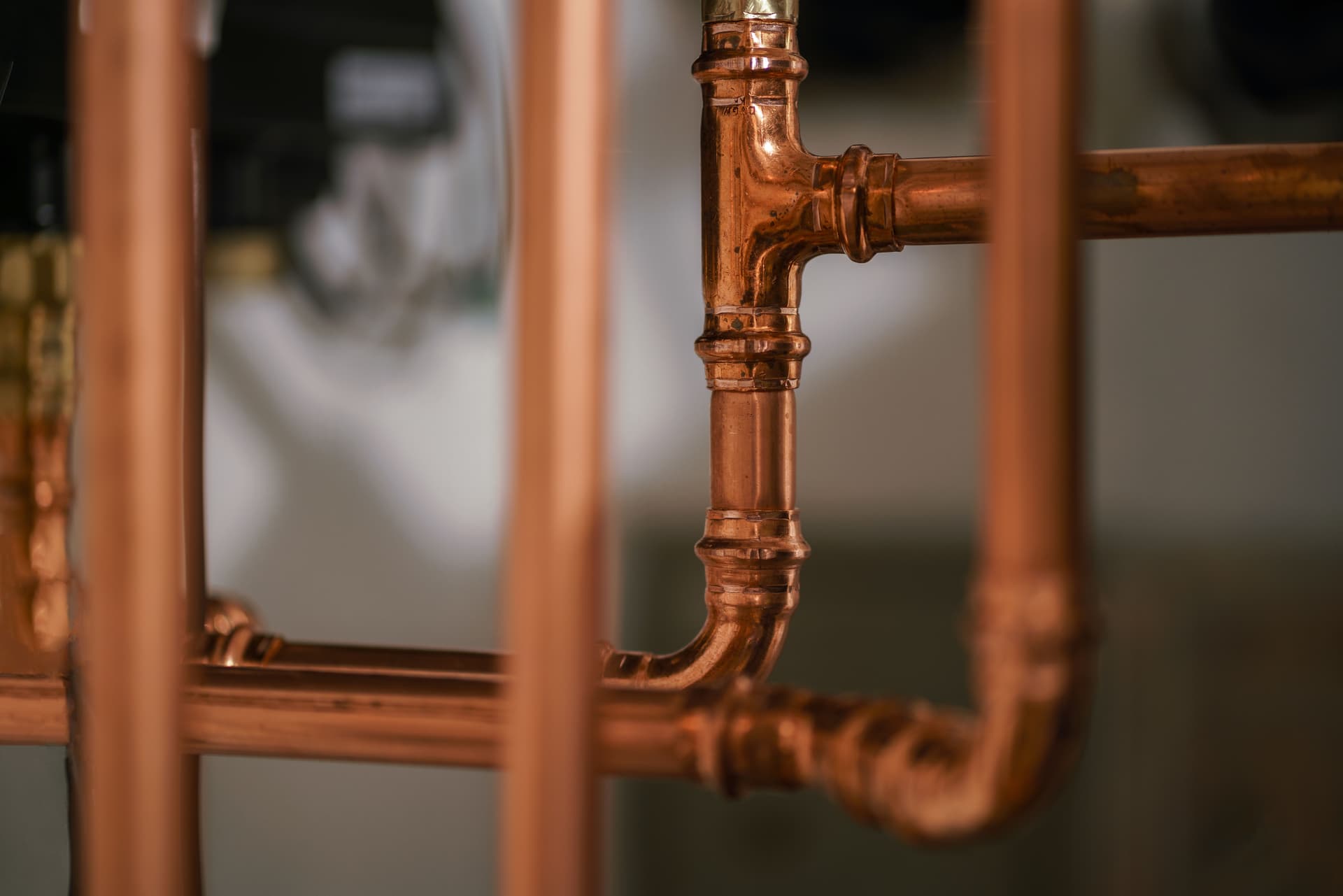
Rough plumbing is the phase where all water supply lines, drain pipes, vents, and main connections are installed before walls, floors, and finishes are completed.
This includes:
Water lines (PEX, copper, CPVC)
Drain, waste, and vent (DWV) systems
Underground sewer and water connections
Fixture stub-outs
Pressure testing and inspection prep
Once rough-in is complete and approved, the project moves to insulation, drywall, and finish work.
The duration depends on project size, complexity, and coordination with other trades.
Small home (1–2 bathrooms): 2–4 days
Standard single-family home: 3–7 days
Custom homes: 1–2+ weeks
ADUs: 2–5 days
Multi-unit projects: phased (can take weeks or months depending on scale)
Commercial projects: varies widely based on scope and scheduling
👉 En condiciones normales, el rough-in no es lo que retrasa una obra — la coordinación sí.
Sewer and water line installation
Trenching and layout
Inspection before concrete pour
Water supply and DWV systems
Venting and vertical stacks
Fixture positioning
Pressure testing
Leak checks
City inspection approval
👉 Sin inspección aprobada, no se puede avanzar.
More fixtures = more piping, more time.
Slab: requires precise pre-planning
Crawlspace/basement: easier access, sometimes faster installs
Framing, electrical, and HVAC conflicts are the #1 cause of delays.
Scheduling delays can slow the process more than installation itself.
Limited access, slope, or soil conditions can impact trenching and underground work.
Last-minute changes = rework = delays.
Poor coordination between trades
Incomplete plans or missing fixture specs
Failed inspections
Material delays
Changes after installation begins
👉 La mayoría de los retrasos no son técnicos, son de gestión.
Finalize plans and fixture locations early
Coordinate slab, framing, and plumbing schedules
Work with an experienced plumbing subcontractor
Schedule inspections in advance
Avoid mid-project design changes
Efficiency comes from planning — not rushing the install.
Delays in rough plumbing impact:
Framing schedules
Inspections
Drywall and finishing
Overall project timeline
A well-executed rough-in keeps the entire build moving forward.
Rough plumbing isn’t just installation — it’s coordination.
We help builders, developers, and homeowners with:
Fast, organized rough-in installation
Trade coordination and scheduling
Inspection-ready systems
Reliable turnaround times
📞 Call 510-910-4135 to discuss your project timeline or request a quote.